

Amazon attracted about $126 billion (£94bn) of peak demand for its bond sale on Tuesday, reports indicated, one of the largest ever for a corporate offering, in an indication of continued strong demand for debt from large tech companies amid broader economic turbulence. The sale underscores a broader trend where technology giants increasingly rely on debt markets to fund massive capital expenditures, particularly in artificial intelligence infrastructure.
The retail and cloud computing giant is following in the footsteps of other tech behemoths. Oracle drew $129bn in orders for a bond sale in February, while Meta drew $125bn for its bond sale last October. These figures demonstrate that investors remain confident in the long-term prospects of AI-driven growth, even as short-term economic uncertainties persist.
Bond sale structure and strategy
Amazon is planning to offer as many as 11 tranches on the US high-grade debt market, ranging from two to 50 years, and is also marketing an eight-part euro-denominated bond sale this week. This multi-currency approach allows Amazon to tap into global liquidity and diversify its investor base. The company raised $15bn last November as part of its first US bond sale in three years, while Google parent Alphabet raised more than $30bn in issuance across dollar, sterling and Swiss franc denominated debt last month.
The bond sale comes at a time when tech companies are facing intense pressure to show returns on their AI investments. Amazon saw its shares fall in February after announcing plans to spend $200bn on capital expenditures this year, mostly on AI infrastructure, a higher figure than competitors Google and Microsoft. Investors have become more cautious about the pace of AI spending, demanding clearer evidence that these outlays will generate profits.
AI investment landscape
The AI infrastructure race has intensified over the past year, with major tech companies racing to build data centers, develop custom chips, and expand cloud computing capabilities. Amazon's cloud arm, Amazon Web Services (AWS), is a key player in this space, competing with Microsoft Azure and Google Cloud. AWS has been investing heavily in custom AI chips, including its Trainium and Inferentia processors, designed to handle machine learning workloads more efficiently than off-the-shelf alternatives.
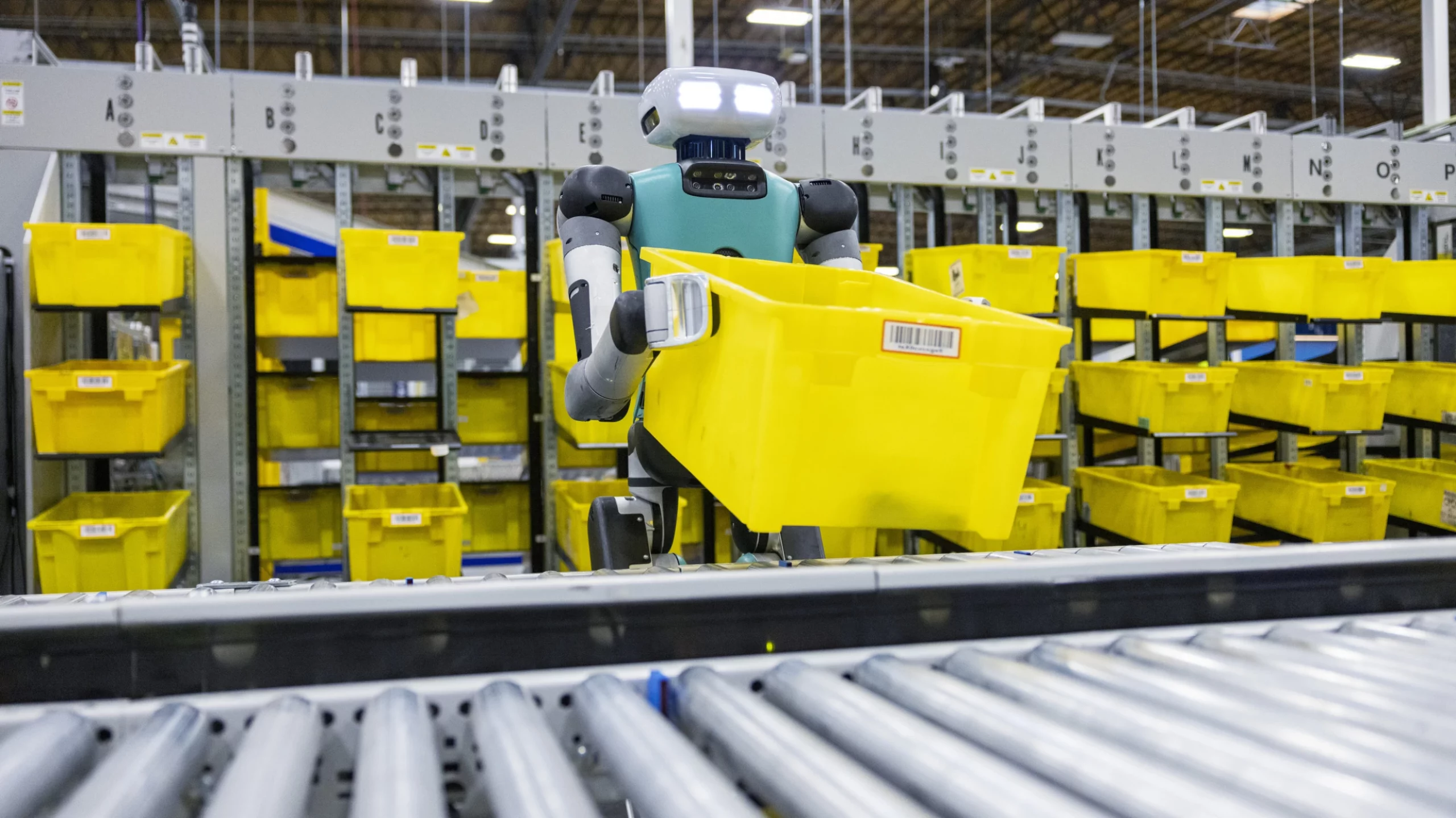
Amazon chief executive Andy Jassy has been vocal about the company's commitment to AI leadership. “We’re going to invest to be the leader in this space,” Jassy told investors on a company call, justifying spending on custom AI chips, robotics and low Earth orbit satellites. These investments extend beyond traditional cloud services into areas like autonomous systems, satellite-based connectivity, and advanced robotics for logistics and warehousing.
The broader tech industry is also seeing a shift in how AI investments are being funded. The bond market has become a preferred tool for tech companies to raise large sums at relatively low interest rates, even as central banks maintain higher borrowing costs. The strong demand for Amazon's bonds indicates that institutional investors, pension funds, and insurance companies are willing to lend to tech giants on attractive terms, betting that AI will drive long-term revenue growth.
Historical context and market dynamics
The use of debt by tech companies is not new. In the past, companies like Apple, Microsoft, and Intel have used bond sales to fund share buybacks, dividends, and acquisitions, often taking advantage of low interest rates. However, the current wave of AI-related borrowing is unique in its scale and focus. Tech companies are collectively expected to spend over $500 billion on AI infrastructure over the next few years, according to industry analysts.
Amazon's bond sale also reflects a broader trend in capital markets. In 2024, investment-grade corporate bond issuance in the United States reached record levels, with companies rushing to lock in favorable rates before potential rate cuts. The demand for Amazon's bonds exceeded that of many sovereign issuers, underscoring the market's confidence in the company's creditworthiness. Amazon currently holds a strong credit rating, with Moody's assigning it a A1 rating and S&P an AA-.
The timing of the bond sale is also notable. It comes amid ongoing debates about AI regulation, energy consumption, and the potential for an AI bubble. Some analysts have warned that the massive spending on AI data centers could lead to overcapacity if demand for AI services does not materialize as expected. However, tech executives remain bullish, arguing that AI is a transformative technology that will reshape industries from healthcare to finance.
Amazon's focus on AI infrastructure extends to its satellite project, Project Kuiper, which aims to provide broadband internet from low Earth orbit. This project, while separate from AI, leverages similar technological expertise and requires substantial capital. Jassy has indicated that AI and satellite connectivity are part of a broader strategy to build the infrastructure for the next wave of digital innovation.
The competitive landscape is intensifying. Microsoft has invested heavily in OpenAI, the creator of ChatGPT, and has integrated AI into its Azure cloud and Office products. Google has its own AI models, including Gemini, and is investing in custom chips known as TPUs. Amazon, meanwhile, is developing its own foundation models through its Bedrock service, which allows customers to access a variety of AI models on AWS.
Financial implications and investor sentiment
Despite the high demand for its bonds, Amazon's stock has faced headwinds. The company's shares fell in February after the capex announcement, as some investors worried about rising costs and slower-than-expected returns from AI investments. However, Amazon's strong cash flow and diversified business model—including e-commerce, cloud computing, advertising, and subscription services—provide a cushion against potential risks.
The bond market's enthusiasm suggests that institutional investors are taking a long-term view. They recognize that AI infrastructure spending is necessary for tech companies to maintain their competitive edge. Moreover, the bonds themselves offer attractive yields in a market where safe-haven assets like government bonds still pay relatively low returns.
Amazon's upcoming euro-denominated bond sale will allow it to tap into European markets, where demand for high-grade corporate debt remains robust. The company has not specified how it will allocate the proceeds, but it is widely expected that the majority will go toward AI and cloud infrastructure. Some funds may also be used for general corporate purposes, including potential acquisitions or debt refinancing.
The broader economic backdrop is also favorable for issuers. While inflation remains a concern, the U.S. Federal Reserve has signaled that it may cut interest rates later this year, which could further reduce borrowing costs. Tech companies are eager to lock in current rates before any potential cuts reduce yields for investors.
In summary, Amazon's massive bond sale is a clear signal that the company is doubling down on AI, using debt markets to fund an ambitious and costly vision. The move mirrors similar actions by Oracle and Meta, highlighting a sector-wide reliance on debt to fuel innovation. Whether these investments pay off remains to be seen, but the bond market's vote of confidence is a strong indicator that investors are betting on AI as the next major growth driver.
Source: Silicon UK News